Installing a residential solar system is one of the smartest investments a homeowner can make. With electricity prices increasing every year and greater awareness about clean energy, rooftop solar has become a practical solution for reducing energy costs while contributing to a sustainable future.
A residential solar installation allows homeowners to generate their own electricity using sunlight. Besides lowering monthly electricity bills, solar systems offer long-term savings, increase property value, and reduce dependence on conventional power sources.
At Shaheen Sun, we provide complete residential solar solutions, including site surveys, customized system design, professional installation, government subsidy assistance, and reliable after-sales support. Whether you own an independent house, villa, bungalow, or farmhouse, we help you choose the ideal solar system based on your electricity consumption and future energy requirements.
This guide explains everything you need to know before installing a residential solar system.
What is Residential Solar Installation?
Residential Solar Installation is the process of installing solar panels on the rooftop of a home to generate electricity from sunlight.
A complete home solar system generally includes:
- Solar Panels
- Solar Inverter
- Mounting Structure
- Electrical Protection Devices
- Wiring and Connectors
- Monitoring System
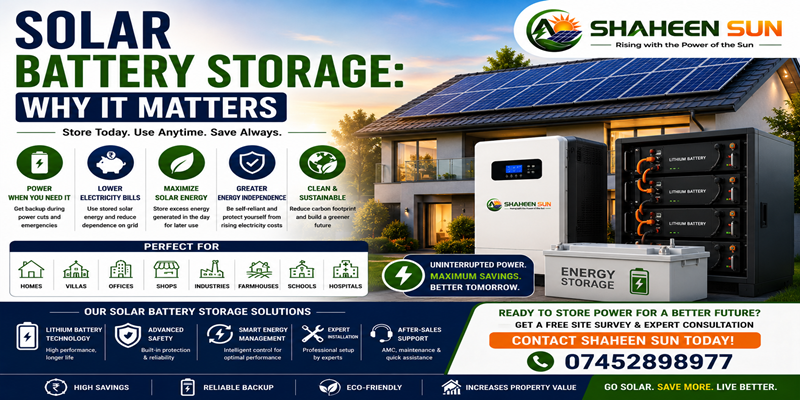
- Battery Storage (Optional)
The system converts sunlight into usable electricity that powers your home and reduces your dependence on the electricity grid.
How Does a Residential Solar System Work?
A rooftop solar system works through a simple process:
Step 1: Solar Panels Capture Sunlight
Solar panels absorb sunlight and convert it into Direct Current (DC) electricity.
Step 2: Solar Inverter Converts Electricity
The inverter converts DC electricity into Alternating Current (AC), which powers household appliances.
Step 3: Electricity Powers Your Home
Your home uses the solar-generated electricity first, reducing the need to purchase electricity from the grid.
Step 4: Excess Electricity
Depending on your system type, excess electricity may be stored in batteries or exported through net metering where applicable.
Types of Residential Solar Systems
On-Grid Solar System
Ideal for homes with a reliable electricity connection.
Benefits include:
- Lower installation cost
- Reduced electricity bills
- Net metering compatibility
- Low maintenance
Off-Grid Solar System
Suitable for homes without reliable grid access.
Benefits include:
- Complete energy independence
- Battery backup
- Reliable electricity in remote areas
Hybrid Solar System
Combines grid connectivity with battery storage.
Benefits include:
- Backup during power cuts
- Lower electricity bills
- Greater energy independence
- Improved energy management
Benefits of Residential Solar Installation
Lower Electricity Bills
Generating electricity from sunlight helps reduce monthly power expenses and protects against rising electricity tariffs.
Government Subsidy Support
Eligible homeowners can benefit from the PM Surya Ghar Muft Bijli Yojana, reducing the initial cost of installation.
Clean Renewable Energy
Solar energy produces electricity without harmful emissions, helping create a cleaner environment.
Long-Term Savings
Solar systems continue generating electricity for decades, providing substantial financial savings over their lifetime.
Increased Property Value
Homes equipped with rooftop solar systems often attract buyers due to lower operating costs and energy efficiency.
Low Maintenance
Modern solar systems require only periodic cleaning and routine inspections to maintain peak performance.
Factors to Consider Before Installation
Before installing a residential solar system, evaluate the following:
Monthly Electricity Consumption
Your electricity usage determines the required system capacity.
Rooftop Space
A roof with sufficient sunlight exposure allows the system to generate maximum electricity.
Roof Condition
The roof should be structurally strong enough to support the solar installation.
Budget
Choose a system that balances your investment with long-term savings.
Future Energy Requirements
Consider future needs such as electric vehicles, air conditioners, or additional appliances when selecting the system size.
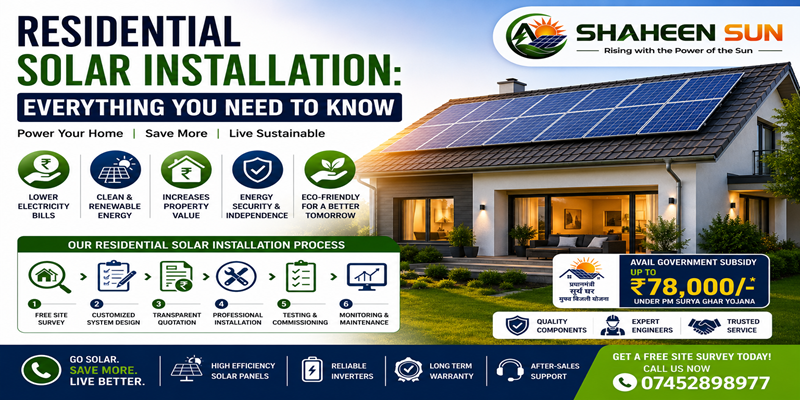
Residential Solar Installation Process
Professional installation follows several important stages.
Free Site Survey
Engineers inspect your property and assess energy requirements.
System Design
A customized solar solution is designed according to your roof, electricity consumption, and budget.
Quotation Approval
The complete proposal is shared before installation begins.
Installation
Certified professionals install solar panels, wiring, inverters, and safety equipment.
Testing
The system is thoroughly tested to ensure efficient and safe operation.
Commissioning
The system is activated and prepared for regular electricity generation.
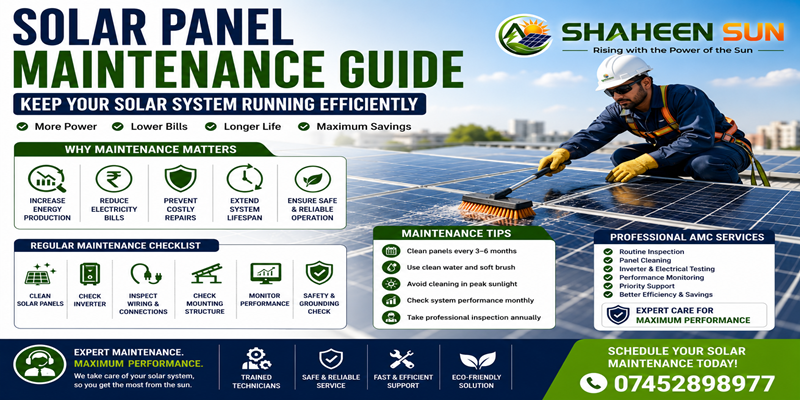
Maintenance Tips
Maintaining your residential solar system is simple.
Recommended practices include:
- Clean solar panels regularly.
- Remove dust, leaves, and debris.
- Schedule annual inspections.
- Monitor inverter performance.
- Inspect electrical connections.
- Use professional maintenance services when required.
Proper maintenance helps maximize electricity generation and extends system life.
Why Choose Shaheen Sun?
Shaheen Sun provides complete residential solar solutions across India.
Our services include:
- Free Site Survey
- Customized Solar Design
- Residential Solar Installation
- On-Grid Solar Systems
- Off-Grid Solar Systems
- Hybrid Solar Systems
- Solar Battery Storage
- Government Subsidy Assistance
- Solar EPC Services
- Solar Water Pumps
- EV Charging Solutions
- Solar AMC & Maintenance
- Solar Repair Services
- Solar Insurance Assistance
Our experienced team uses premium-quality products and industry best practices to deliver efficient, reliable, and long-lasting solar systems.
Frequently Asked Questions
How long does residential solar installation take?
Most home installations are completed within a few days, depending on system size and site conditions.
Do solar panels work during cloudy weather?
Yes. Solar panels continue generating electricity during cloudy conditions, although output may be lower than on bright sunny days.
How long do solar panels last?
Quality solar panels typically provide reliable performance for 25 years or more with proper maintenance.
Is maintenance expensive?
No. Residential solar systems require minimal maintenance and periodic cleaning.
Conclusion
Residential Solar Installation is a reliable, cost-effective, and environmentally friendly solution for homeowners looking to reduce electricity bills and achieve long-term energy independence. With the right system design, quality components, and professional installation, rooftop solar can deliver decades of dependable performance and significant savings.
Choosing an experienced solar partner is essential for maximizing your investment. Shaheen Sun offers complete residential solar solutions—from consultation and installation to government subsidy assistance and ongoing maintenance—ensuring a smooth and hassle-free experience.
Contact Shaheen Sun Today
Ready to power your home with clean, renewable energy?
Contact Shaheen Sun for a FREE Site Survey, expert consultation, and a customized residential solar solution. Let our professionals help you reduce electricity bills and build a brighter, sustainable future.